Transform Your Schoolyard into Pocket Wilds
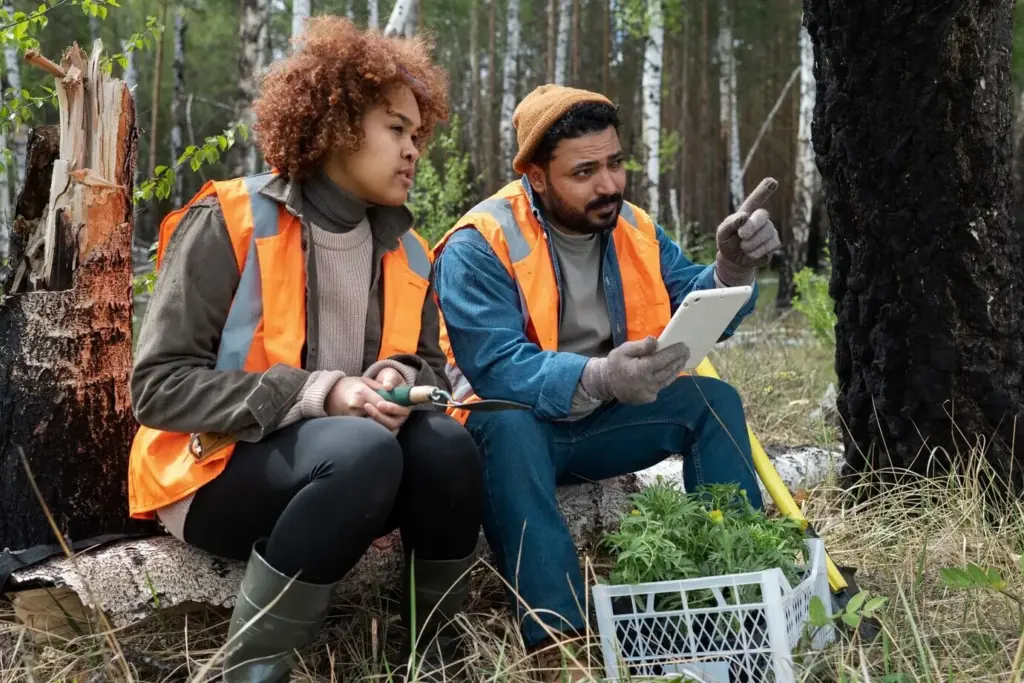

Today we explore Schoolyard Pocket Wilds: Biodiversity Projects for Students and Teachers, inviting you to turn overlooked corners into living laboratories where curiosity leads, data matters, and local species thrive. Expect step-by-step ideas, real classroom stories, and practical tools that make stewardship joyful, doable, and deeply connected to your curriculum and community.

Scout and Understand the Space

Begin by learning the character of your grounds, noticing sun and shade, wind corridors, soils, and the daily patterns of students and wildlife. A careful first look builds shared ownership, informs safer design decisions, and sparks questions that become investigations, art pieces, and data stories students proudly share.

Create Microhabitats that Thrive

Design with diversity of structure, shelter, water, and flowering times to support pollinators, decomposers, birds, and soil life. Favor native species adapted to local conditions and maintenance realities. Small, layered features deliver outsized ecological benefits, turning modest corners into resilient refuges that teach patience, adaptation, and interdependence all year.

01

Choose Native Plants That Belong

Consult local extension services, herbaria, or native plant societies to select species offering nectar, pollen, seeds, and cover at different seasons. Avoid invasives and double-flowered cultivars that limit access to nectar. Mix heights, root depths, and bloom windows so wildlife always finds something to eat, hide under, or explore.

02

Add Water and Soil Variety

Place shallow basins with stones for safe perches, change water regularly to deter mosquitoes, and vary soil textures using sand patches, leaf litter, and compost. These simple gradients invite different insects, birds, and microbes, demonstrating how tiny changes in moisture and substrate invite fascinating ecological roles and behaviors.

03

Shelter with Logs, Rocks, and Brush

Stack small log piles, cluster rocks, and leave standing stems over winter to shelter solitary bees, beetles, and overwintering larvae. Tuck brush neatly to respect aesthetics and safety. These rough textures create thermal refuges, hunting perches, and story-rich observation spots where students witness life’s persistence up close.

Phone Cameras with Scientific Rigor

Coach students to stabilize shots, capture multiple angles, include scale references, and record habitat context. Use natural light, avoid disturbing nests, and attach names of observers and locations. Upload responsibly to platforms with community identifiers, transforming quick photos into credible records that support research and conservation decisions.

Simple Sampling That Teaches Statistics

Introduce transects, quadrats, and timed counts. Repeat sampling weekly, randomize placements, and discuss sources of bias such as weather, time of day, or observer familiarity. Calculate richness, relative abundance, and confidence intervals, demonstrating how careful design sharpens conclusions and makes comparisons across months genuinely informative.

Visualize and Share Results

Build dashboards, species calendars, and heat maps that reveal patterns at a glance. Compare native versus non-native proportions, bloom windows, and peak activity times. Present findings on classroom walls and digital galleries, inviting families to comment, ask questions, and suggest new investigations driven by community curiosity.

Collect Meaningful Data

Turn observation into evidence by using simple protocols and open platforms that welcome student contributions. Emphasize repeatability, metadata, and gentle handling to protect living subjects. With thoughtful sampling and collaborative review, students gain confidence distinguishing patterns from noise and see their local data join global knowledge.

Art and Language Bloom Outdoors

Encourage field sketches, haiku, and micro-essays rooted in sensory details like leaf textures and ant trails. Compile class zines pairing drawings with species notes. Storytelling deepens empathy, while editing and revision teach precision, helping students communicate science with emotion, clarity, and an authentic personal voice.

Math Makes Patterns Visible

Use counts to calculate means, medians, and biodiversity indices. Graph flowering phenology against temperature, compare ratios of pollinators observed before and after planting, and explore percentages of native cover. Mathematical framing reveals structure beneath the buzz, rewarding careful measurement and turning numbers into persuasive, accessible visuals.

History and Civic Perspectives

Explore indigenous land stewardship practices, local watershed histories, and policy decisions shaping current habitats. Invite students to interview elders and city staff about planting ordinances, mowing schedules, and stormwater plans. Understanding context empowers respectful partnerships and inspires proposals grounded in community priorities and ecological resilience.

Connect Across Subjects

Let outdoor discoveries enrich language arts, math, art, social studies, and design. The living yard becomes a prompt for metaphor, a canvas for watercolor, a dataset for ratios, and a civic project touching history and policy. Interdisciplinary work keeps motivation high and learning memorable beyond any single unit.

Care Through the Seasons

Maintenance doubles as learning when schedules align with life cycles. Plan gentle cuts, leave seed heads for birds, and delay spring cleanups to protect overwintering insects. Rotating student teams gain leadership experience, reflect on outcomes, and refine strategies that keep habitats healthy without overwhelming staff capacity.

A Calendar That Respects Life Cycles

Map tasks to phenology: sow in cool months, plant after frost, cut stems late to release emerging bees, and keep leaf litter until temperatures consistently rise. Seasonal planning prevents accidental harm, supports abundance, and helps students witness the quiet timing that governs thriving ecosystems everywhere.

Student Stewardship Teams

Form rotating roles for watering, tool care, data logging, and storytelling. Provide checklists, short training videos, and reflection prompts. This shared responsibility model fosters pride, ensures continuity across breaks, and creates that beloved feeling of a place cared for by many hands and thoughtful intentions.

Adaptive Management in Action

Hold brief check-ins to review observations, celebrate successes, and adjust plans. If shade increases, shift species; if water stagnates, redesign basins; if invasive seedlings appear, intervene early. Students learn that responsive stewardship, grounded in evidence and collaboration, keeps ecosystems resilient and projects genuinely sustainable.

Make It Welcoming and Safe

Design for varied abilities, languages, and comfort levels so every student can participate meaningfully. Clear pathways, quiet nooks, and multilingual signs invite exploration. Thoughtful routines for hygiene and tool use build confidence, while inclusive practices honor cultural connections to land, food, and community knowledge.

Design for All Abilities and Senses

Create accessible paths, raised planters, and seated observation spots. Offer sensory-friendly times, visual schedules, and tactile materials for choice-driven exploration. Provide shade, water, and rest zones. When attention, comfort, and autonomy are protected, biodiversity projects become joyful entry points rather than barriers or afterthoughts.

Health, Allergies, and Respect

Develop clear guidelines for gloves, handwashing, and tool sharing. Communicate allergy considerations, bee behavior, and safe distances from nests. Include tick checks appropriate to your region and respect students’ boundaries around touching organisms. Safety habits modeled consistently turn outdoor learning into a trusted, repeatable experience.

Families and Community Partners

Invite caregivers to weekend workdays, translate materials, and involve local groups for expertise and continuity. Display progress in hallways and newsletters, celebrating contributions. When families see tangible benefits and invitations feel authentic, stewardship expands beyond class time and projects gain long-term stability and pride.

Celebrate, Fund, and Grow

Share progress boldly, resource projects creatively, and cultivate partnerships that outlast a single semester. Public storytelling builds momentum, while small grants and reused materials stretch budgets. Mentors and field trips enrich learning, ensuring your pocket wilds evolve thoughtfully with each new cohort of students.
Metorilexafore
Privacy Overview

This website uses cookies so that we can provide you with the best user experience possible. Cookie information is stored in your browser and performs functions such as recognising you when you return to our website and helping our team to understand which sections of the website you find most interesting and useful.